Glazed stoneware ; signed “Dalpayrat” and “Les Grands Feux de Dalpayrat” under the base,
H. 14 cm, L. 32 cm, W. 17 cm.
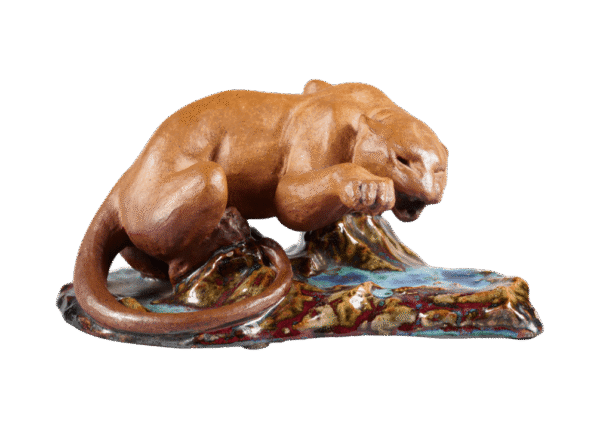
This panther, created in collaboration with the sculptor Désiré-Maurice Ferrary, exemplifies the expressive naturalism of Dalpayrat’s work. Captured in a tense, crouching pose, the animal appears ready to pounce, conveying a vivid sense of movement and vitality. The contrast between the matte stoneware body and the richly glazed areas—particularly Dalpayrat’s signature deep red—enhances the sculpture’s dramatic presence.
This model exists in several versions, including one preserved at the Metropolitan Museum of Art, underscoring the importance of this motif within the artist’s production. As in many of his works, Dalpayrat transcends pure decoration, imbuing his animal subjects with symbolic and almost metaphysical meaning.
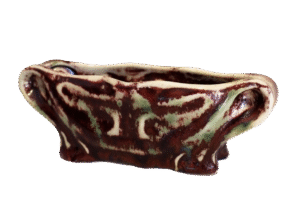
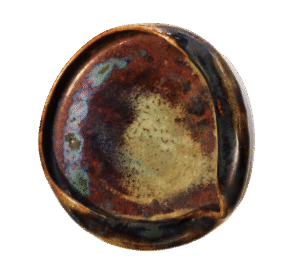
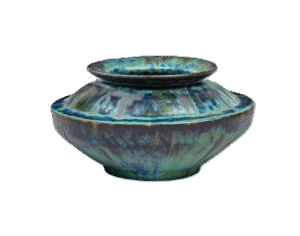
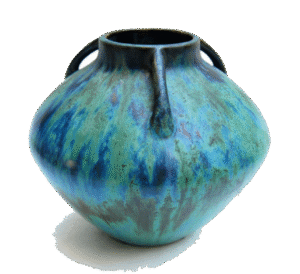
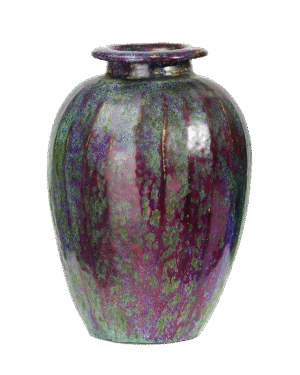
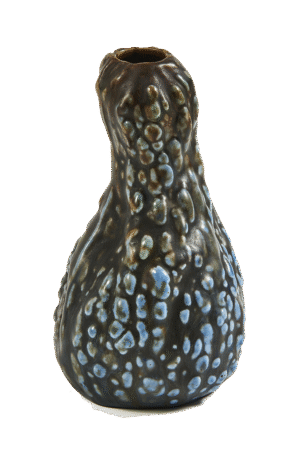
A leading figure in the revival of French stoneware at the end of the nineteenth century, Dalpayrat was closely associated with the Art Nouveau movement while also drawing strong inspiration from Far Eastern art. Fascinated by organic forms and the effects of time on materials, he developed an aesthetic based on controlled chance: glaze runs, firing accidents, and flame effects become integral to the final composition.
His celebrated “Dalpayrat red,” achieved through copper oxidation and precise control of firing conditions, remains one of his most distinctive technical innovations. Often enriched with tones of green or lead gray, this glaze gives his works remarkable depth and chromatic intensity. Exhibited at major artistic venues such as the Salon de la Société nationale des beaux-arts and international expositions, his creations played a key role in redefining modern ceramic art.